
The cultural significance of casinos in modern society
Historical Context of Casinos
Casinos have a rich historical background that dates back centuries, evolving from simple gaming houses to elaborate entertainment complexes. Their origins can be traced to ancient civilizations where games of chance were played for leisure and social interaction. The establishment of formal casinos in places like Venice and Monte Carlo during the 17th century marked a pivotal point in gambling history, integrating cultural practices with economic endeavors. Today, people often seek out the best online casinos for gaming entertainment and social interaction.

As societies transformed, casinos adapted to reflect social norms and economic realities. In many cultures, they became symbols of both prosperity and vice, often serving as a focal point for community gatherings. This duality has shaped public perceptions of casinos, leading to the belief that they are both venues for entertainment and establishments that can lead to moral decay.
Casinos as Social Hubs
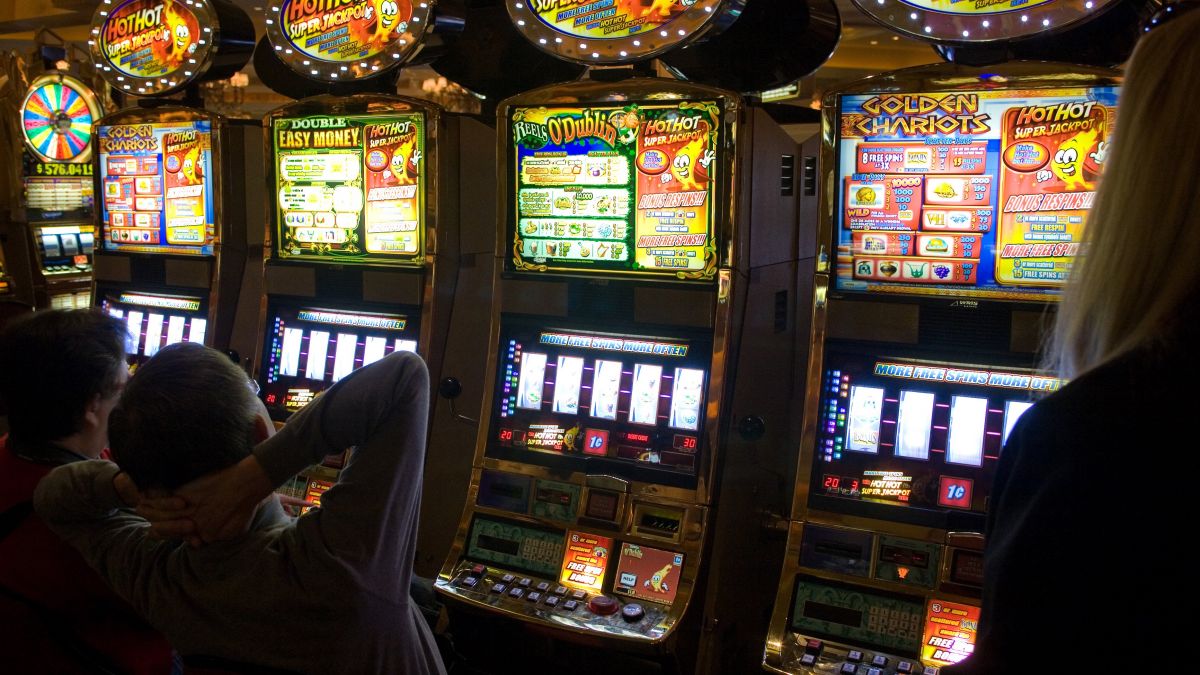
In contemporary society, casinos function as social hubs that foster community engagement. They attract diverse groups of people, from tourists seeking entertainment to locals enjoying a night out. The atmosphere within casinos is often vibrant, filled with excitement and interaction, which enhances their role as communal spaces where relationships can be formed and strengthened.
Furthermore, casinos frequently host events, concerts, and shows, extending their influence beyond mere gaming. This multifaceted approach allows them to cater to a wider audience, turning them into vital components of the entertainment industry. By promoting social interactions, casinos contribute significantly to the cultural fabric of their respective communities.
Economic Impact of Casinos
The economic significance of casinos in modern society cannot be overstated. They generate substantial revenue not only through gambling but also by creating jobs and boosting local economies. In regions where casinos are established, the influx of tourists leads to increased demand for hospitality services, retail, and transportation, which can significantly enhance the overall economic landscape.
Additionally, casinos contribute to government revenues through taxes and licensing fees, which can be reinvested into public services and infrastructure. This economic impact is often cited by proponents of casino development as a key reason for their expansion, highlighting the potential benefits to communities and economies as a whole.
Cultural Perceptions and Misconceptions
The cultural significance of casinos is often clouded by misconceptions and stereotypes. Many people view casinos solely as places of vice and addiction, overlooking their role as legitimate entertainment venues. This skewed perception can lead to stigma, affecting public policy and community attitudes toward casino operations.
Moreover, the portrayal of casinos in popular media often reinforces these misconceptions, focusing on the darker aspects of gambling rather than its social and economic contributions. Addressing these myths and educating the public about the realities of casinos can help foster a more balanced view, recognizing their complexity within modern society.
Website Overview
This website serves as a platform for exploring the multifaceted role of casinos in our society. It aims to provide valuable insights and information about the cultural, social, and economic implications of casinos. By discussing their significance, the site seeks to enhance understanding and appreciation for these establishments beyond the traditional perspectives.
Visitors will find resources and content designed to illuminate the positive contributions of casinos, encouraging a more informed and nuanced conversation around their place in modern culture. Ultimately, this platform strives to bridge gaps in knowledge and foster a greater appreciation for the cultural significance of casinos.

Deixar um comentário